
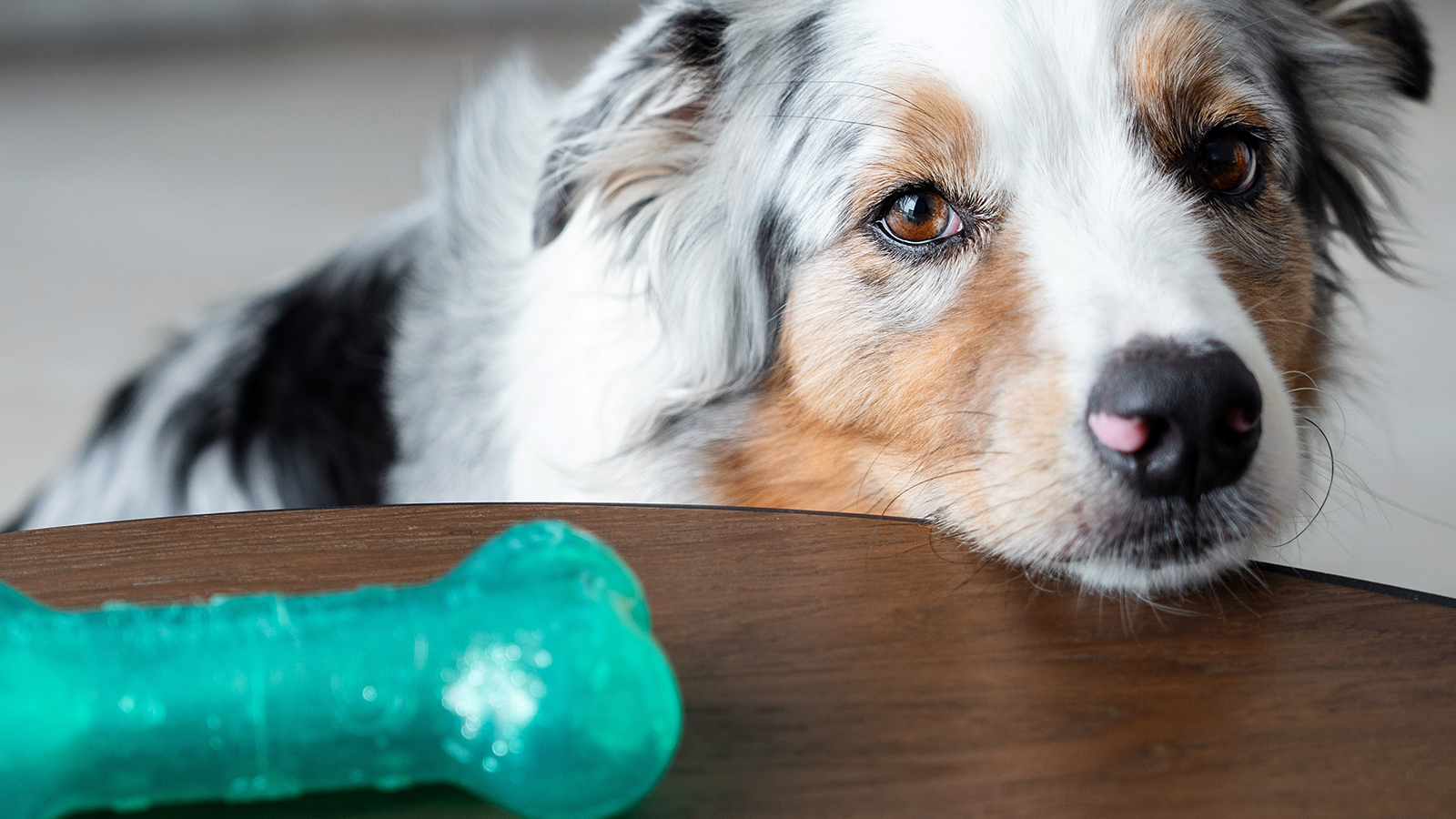
10 Common Mistakes That Make Your Dog Much Less Affectionate

I love my dog more than almost anything in the world, so I spend a lot of time making sure she’s happy, healthy, and knows she’s loved.
One thing I’ve learned over the years is that dogs are incredibly sensitive to the way we treat and interact with them. Small habits we don’t even think about can affect their trust, stress levels, and overall affection toward us.
Experts from organizations like AVSAB and VCA Animal Hospitals emphasize positive reinforcement and consistency because harsh punishment and stress can damage the human-animal bond.
Even learning to recognize signs of stress from groups like Dogs Trust can make a huge difference in helping your dog feel safe and connected to you.
1. Interrupting their peaceful time.
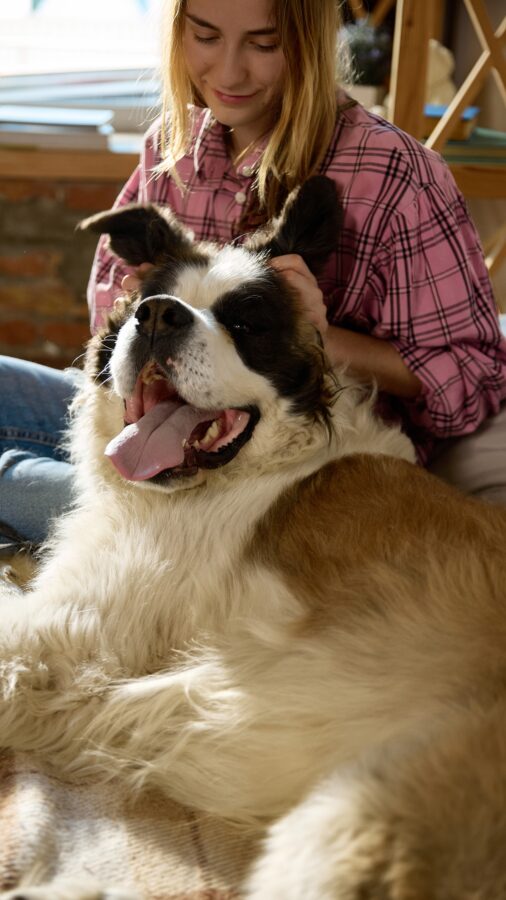
This one honestly surprised me because I’m constantly tempted to bother my dog when she’s peacefully passed out looking adorable. But according to dog trainer Victoria Smith, constantly interrupting your dog’s calm time with cuddles, praise, or attention can actually make them less affectionate over time. Instead of associating you with comfort and relaxation, they start avoiding you when they want peace and quiet. You can read more about that here: Victoria Smith’s dog behavior advice
As hard as it is, sometimes the best thing you can do is just let your dog relax without turning every quiet moment into cuddle time.
2. Ignoring their requests for attention.
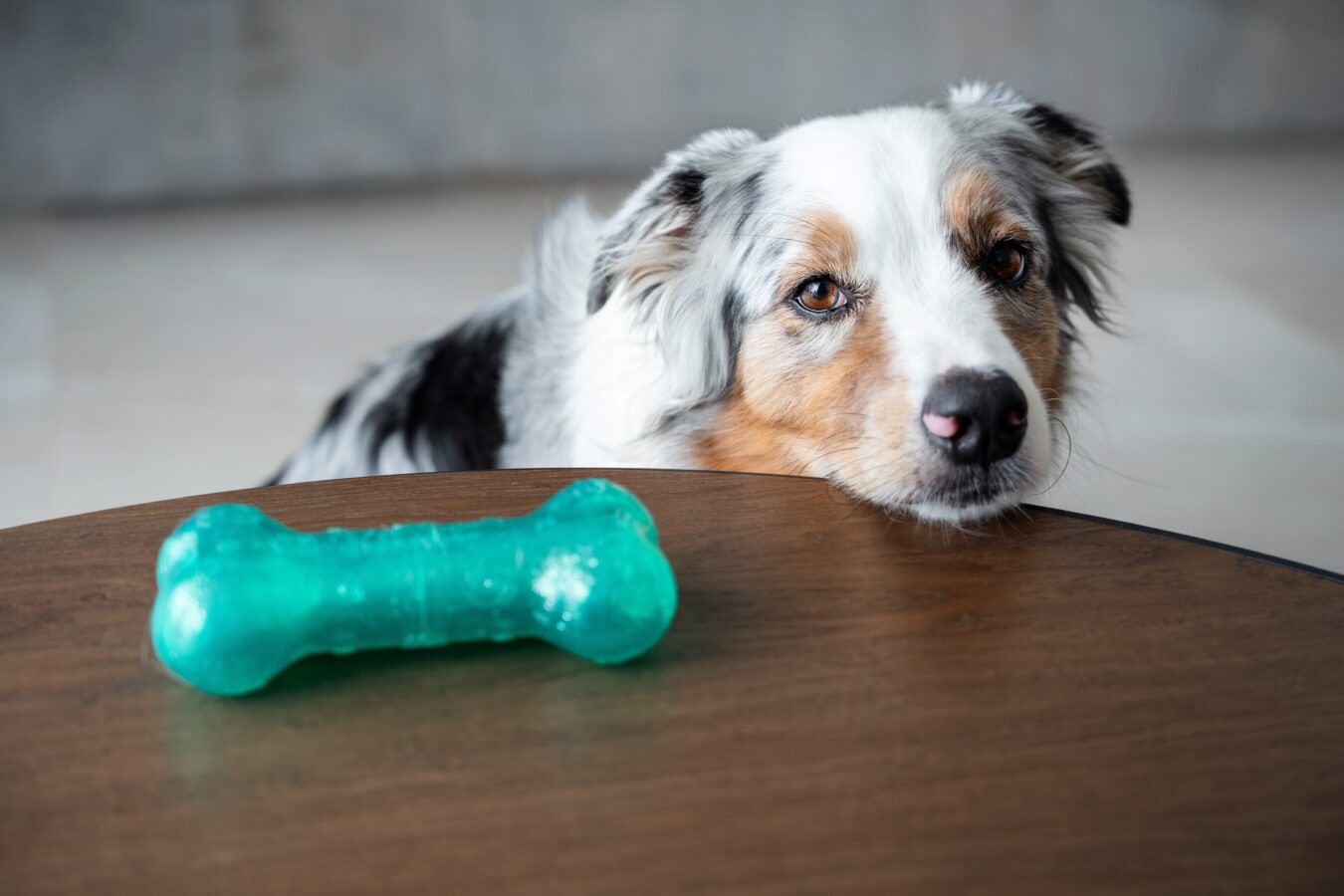
One thing I’ve learned with my own dog is that ignoring them can be useful in certain situations, especially if they’re demanding attention in an unhealthy way or acting out. But I also realized there’s a big difference between not rewarding bad behavior and accidentally making your dog feel emotionally ignored all the time. If your dog calmly comes over for affection, makes eye contact, or quietly wants to be near you, constantly brushing them off can make them less likely to seek connection over time.
I found these articles really interesting because they explain the difference well: When To Ignore Your Dog (And When Not To) and Things Dogs Only Do With Their Favorite Person
3. Too much punishment.
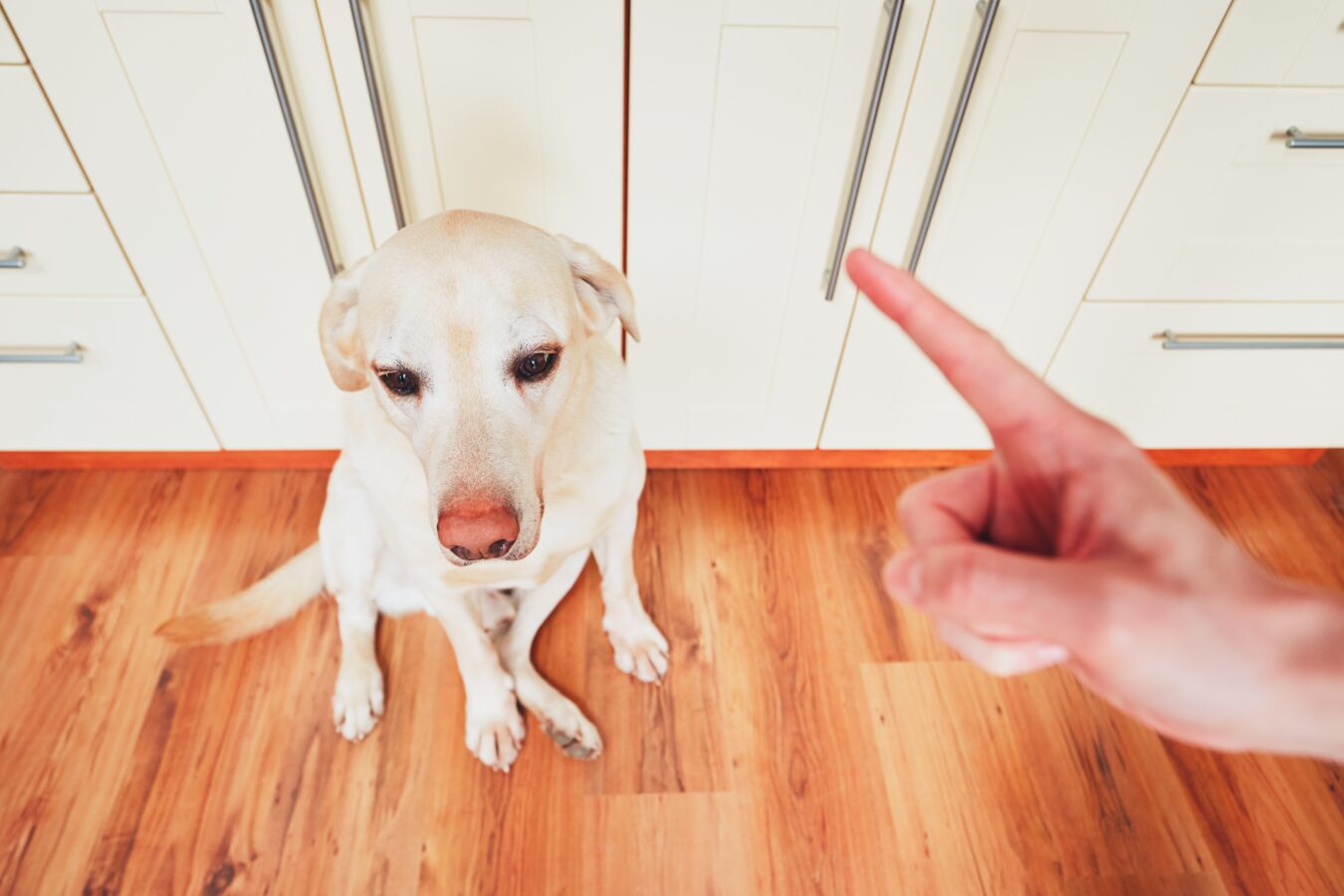
Discipline is important with dogs, just like it is with kids, but there’s a huge difference between correcting behavior and constantly being harsh. According to animal behavior expert Karolina Westlund, overly severe punishment can actually lead to anxiety, aggression, and emotional shutdown in dogs instead of improving behavior. You can read more about that here: Punishment Problems in Dogs
One thing a lot of owners get wrong is correcting behavior too late or without teaching the dog what they should do instead. If you need to discourage bad behavior, it has to happen in the moment and be paired with positive training, otherwise your dog may just become confused, stressed, or less affectionate over time.
4. No structure at home.

Dogs thrive on consistency, so when their daily routine constantly changes or they’re not getting enough exercise, play, or quality time, it can seriously affect their behavior. A lot of owners assume their dog is just being “difficult” when in reality the dog may be stressed, bored, or uncertain about what to expect day to day. That uncertainty can sometimes show up as avoidance, anxiety, or even aggression.
This article from Canine Perspective Chicago explains how inconsistent routines and lack of structure can negatively impact dogs over time. Even small habits like regular walks, predictable schedules, and dedicated playtime can help dogs feel safer, calmer, and more connected to their owners.
5. Misunderstanding your dog’s cues.
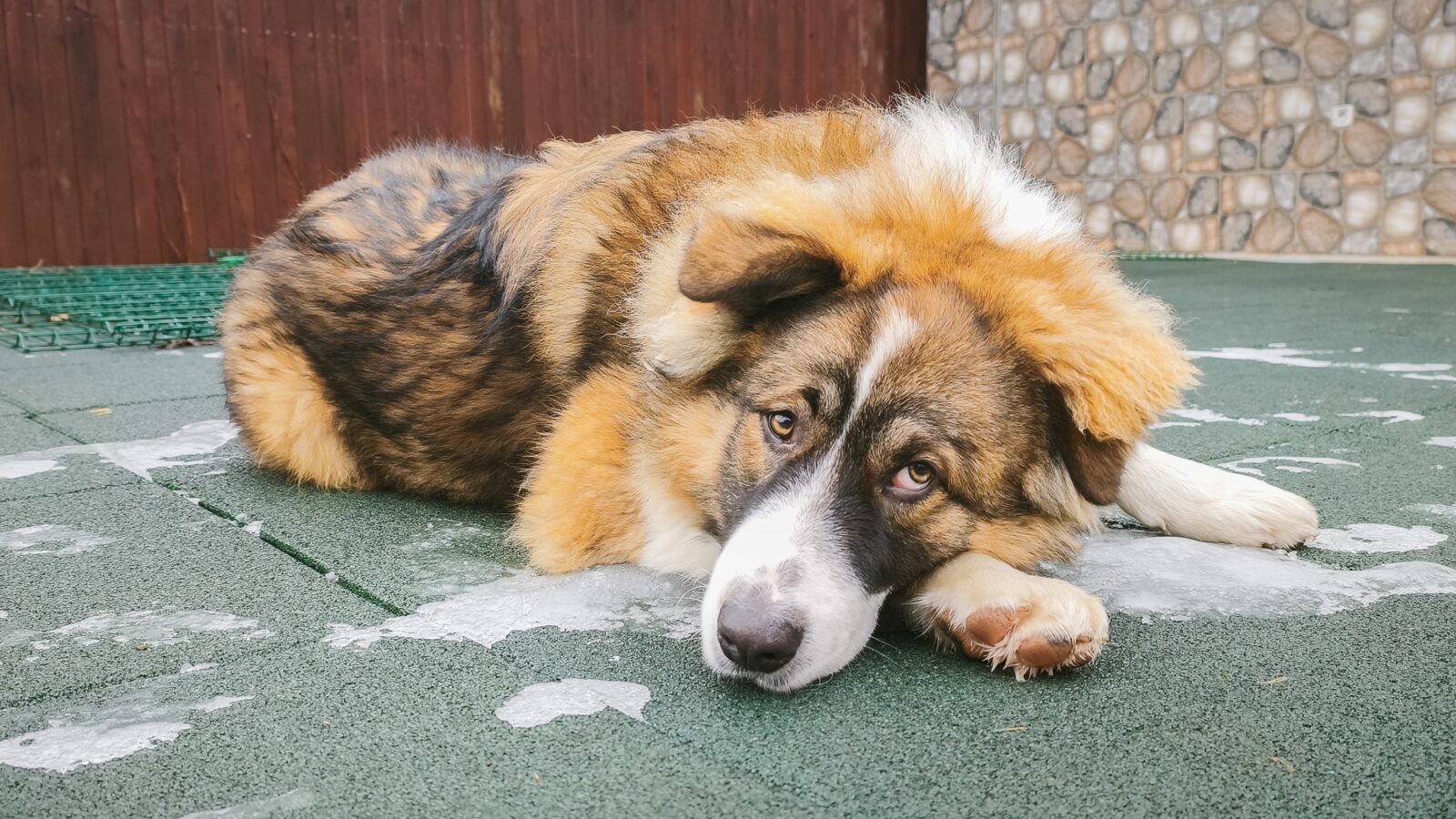
A lot of dog owners think they’re great at reading their pet’s emotions, but research suggests most people actually misunderstand dog body language pretty often. A recent study covered by Forbes found that humans frequently misinterpret signs of stress, discomfort, or anxiety in dogs, especially when projecting human emotions onto them. Studies like this one from PMC also show how important it is to understand canine communication and respect boundaries.
If a dog feels misunderstood, overwhelmed, or like their needs aren’t being respected, they’re naturally going to pull away instead of leaning into affection. Learning your dog’s body language can make a huge difference in building trust and helping them feel safe around you.
6. Not enough play.

A lot of the bond between dogs and their owners is built through simple everyday play. Tug-of-war, throwing a ball around, wrestling on the floor, or even short little games throughout the day help dogs feel connected and secure with their people. Research published by Royal Society Open Science found that play interactions can actually strengthen the relationship between dogs and owners in measurable ways.
It’s easy to accidentally stop prioritizing play when life gets busy or when dogs get older and calmer, but that bonding time still matters. Dogs that feel connected and emotionally secure are naturally more likely to seek affection and closeness with their owners.
7. Yelling at your dog for being excited.
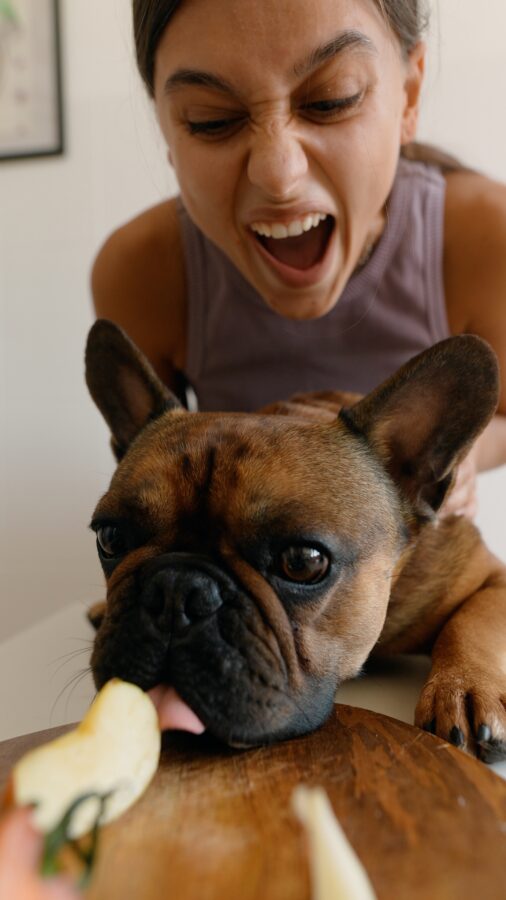
One of the clearest signs your dog loves you is how excited they are when you walk through the door. Dogs naturally show affection through enthusiasm, attention, and wanting to be close to their favorite person. In fact, this article from YourTango talks about how dogs often express deep emotional attachment in ways owners sometimes overlook.
Of course, it’s still important to teach boundaries if your dog gets too wild or starts jumping all over people. But if every display of excitement is met with frustration or punishment, some dogs eventually stop expressing affection as openly because they associate that excitement with getting scolded instead of feeling safe and welcomed.
8. Wanting too much control.
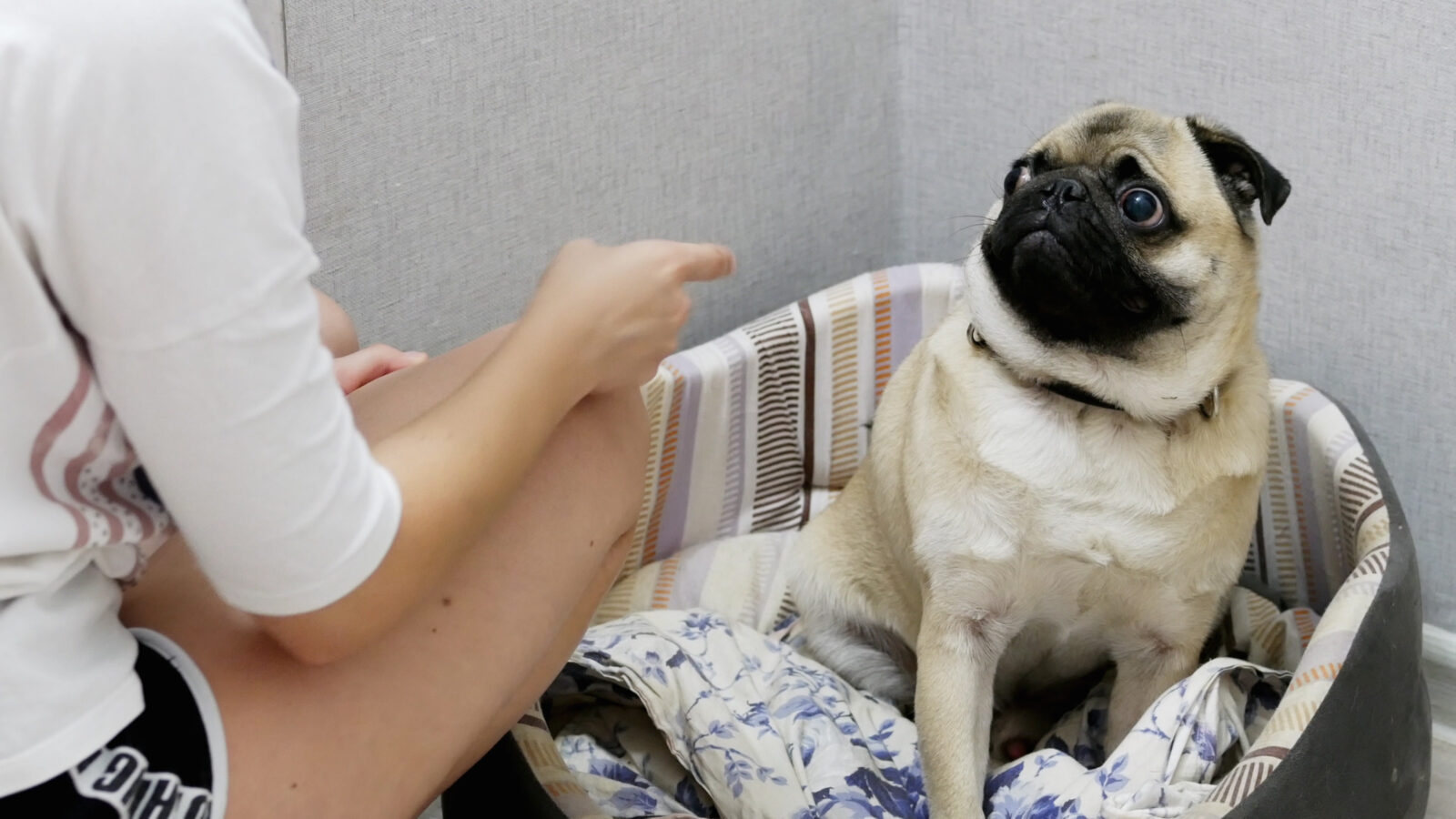
A lot of dog owners naturally want structure, obedience, and control from their pets, which may be part of why dogs are often viewed differently than cats. Research discussed by Neuroscience News suggests that people who prefer dogs often value traits like loyalty, responsiveness, and predictability in animals. But there’s a difference between healthy structure and trying to control every aspect of a dog’s behavior.
Dogs usually do best with consistency and boundaries, but overly rigid expectations or constant correction can damage trust over time. When affection and connection are replaced with pressure, harsh discipline, or unrealistic demands, some dogs become more withdrawn and emotionally distant instead of feeling safe and bonded with their owner.
9. Bringing them to overwhelming environments with making them feel safe.
Busy places like dog parks can be incredibly overstimulating for some dogs, especially if there’s a lot of noise, unfamiliar dogs, and constant activity happening all at once. According to Wag Bar, overstimulation can leave dogs anxious, hyper-alert, or emotionally drained long after they leave the environment. Some dogs may even seem distant or less affectionate afterward because they’re still trying to calm their nervous system down.
A big part of helping dogs feel secure in chaotic environments is making sure they trust their owner to keep them safe and advocate for them when they’re uncomfortable. If your dog regularly comes home from busy outings acting tense, withdrawn, or unusually anxious, it may be a sign they need more structure, calmer environments, or different training approaches to feel relaxed and connected again.
10. Not building trust.
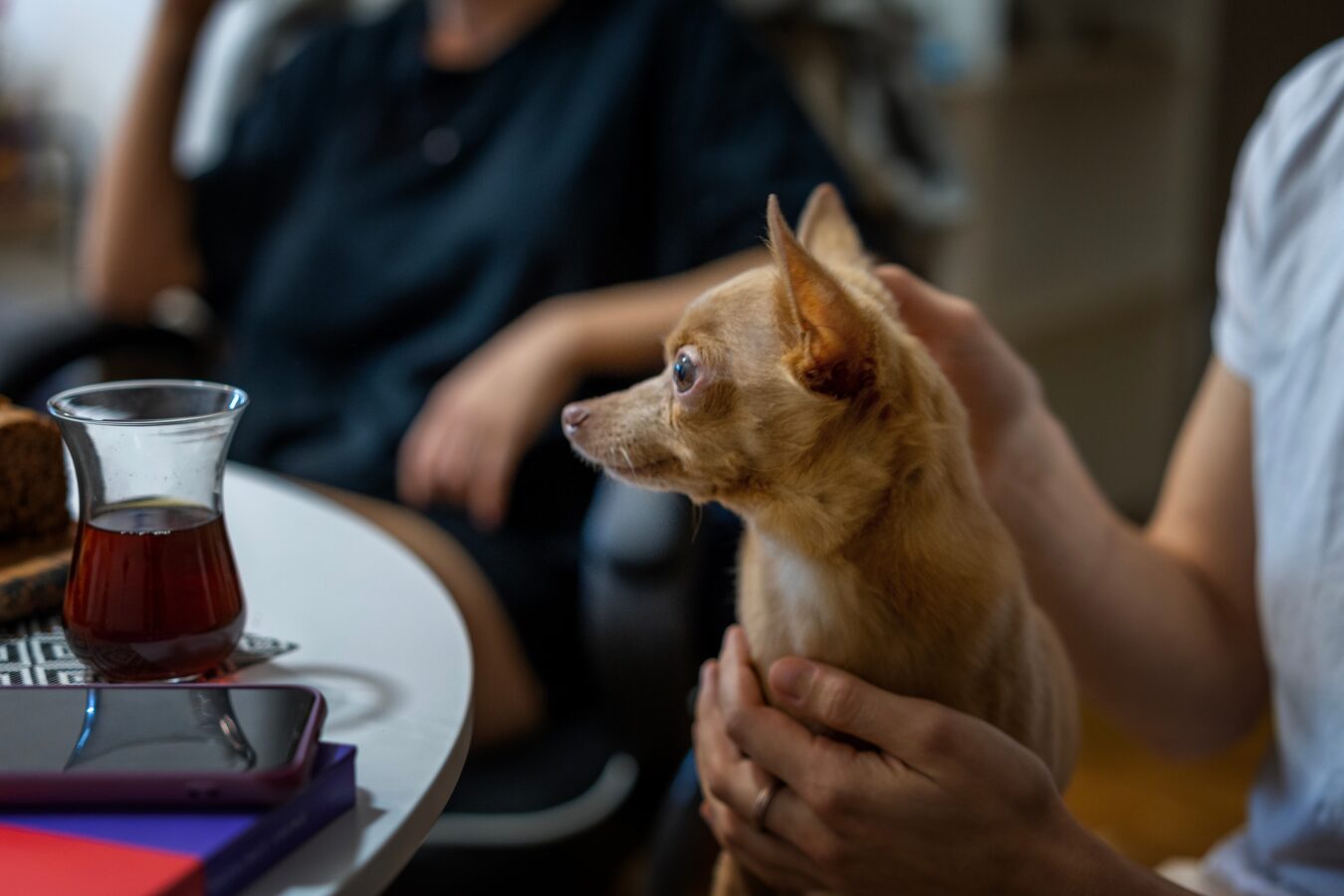
Trust is really the foundation of every healthy relationship between a dog and its owner. Dogs need consistency, patience, and an environment where they feel safe enough to fully relax. That trust gets built slowly through everyday things like keeping routines predictable, respecting boundaries, showing up consistently, and creating a calm space where they know they’re protected. As Southern Wind K9 explains, balanced relationships with dogs come from mutual respect and clear communication, not fear or control.
If a dog doesn’t feel emotionally safe around their owner, they’re much more likely to stay anxious, defensive, or emotionally distant instead of naturally affectionate and relaxed.