
12 Heartwarming Times Grown Adults Understood Their Parents’ Kindness Was The True Inheritance

When we’re young, we tend to measure our parents by what they could give us — the toys, the trips, the things other kids had.
It’s usually decades later, often when we become parents ourselves, that we realize the most valuable thing they handed us never came in a box.
Research keeps backing this up: a Harvard longitudinal study found that adults who recalled their parents as warm and caring flourished at significantly higher rates later in life, and a 14-year international study found that parental warmth — not wealth or hardship — best predicted whether grown children saw the world as good and safe.
Even modest increases in affection left measurable marks.
These are stories (Shared online and edited for length and clarity) from grown adults who looked back and understood, sometimes painfully late, that kindness was the real inheritance.
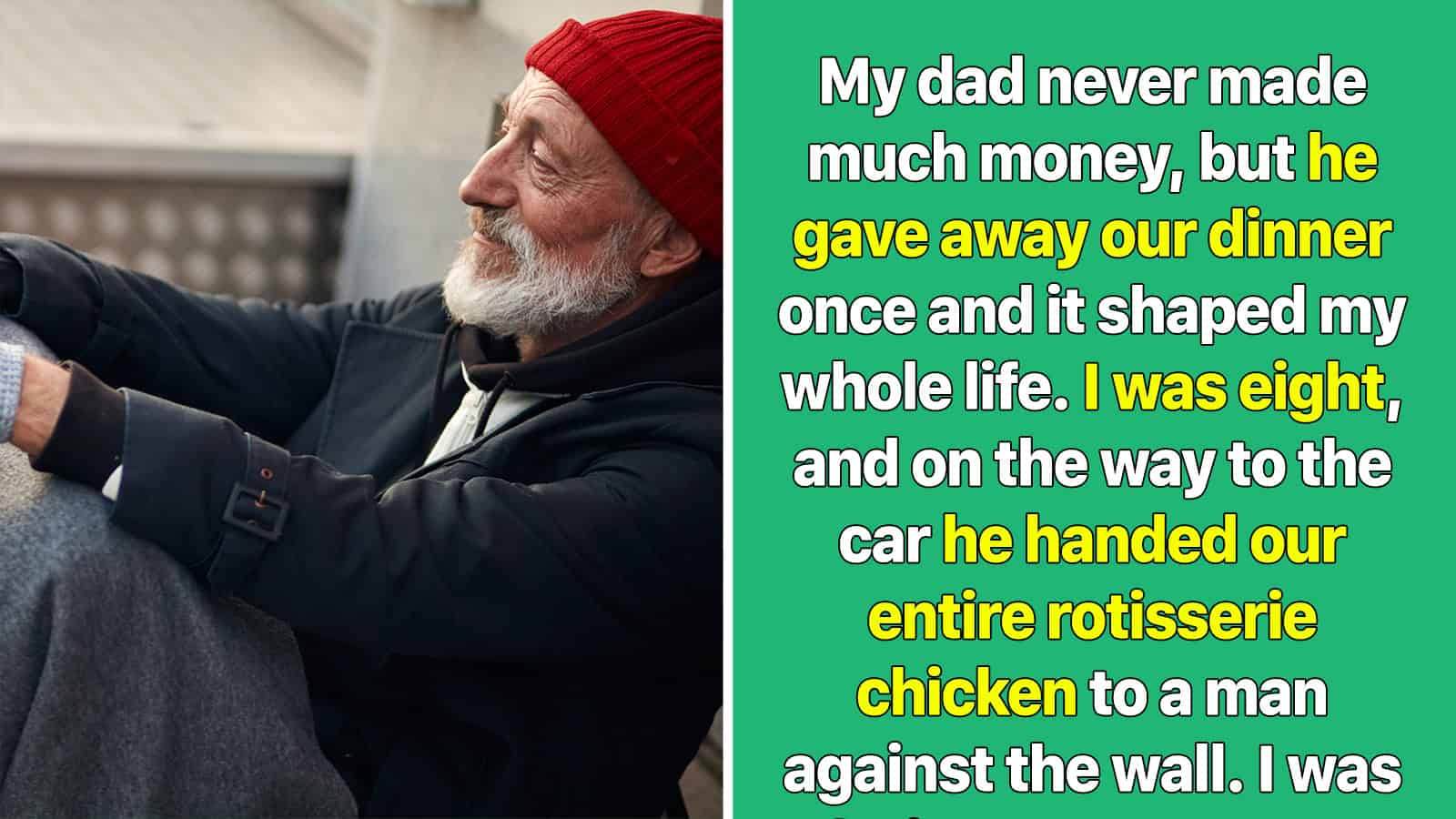
1. My dad never made much money, but he gave away our dinner once and it shaped my whole life.
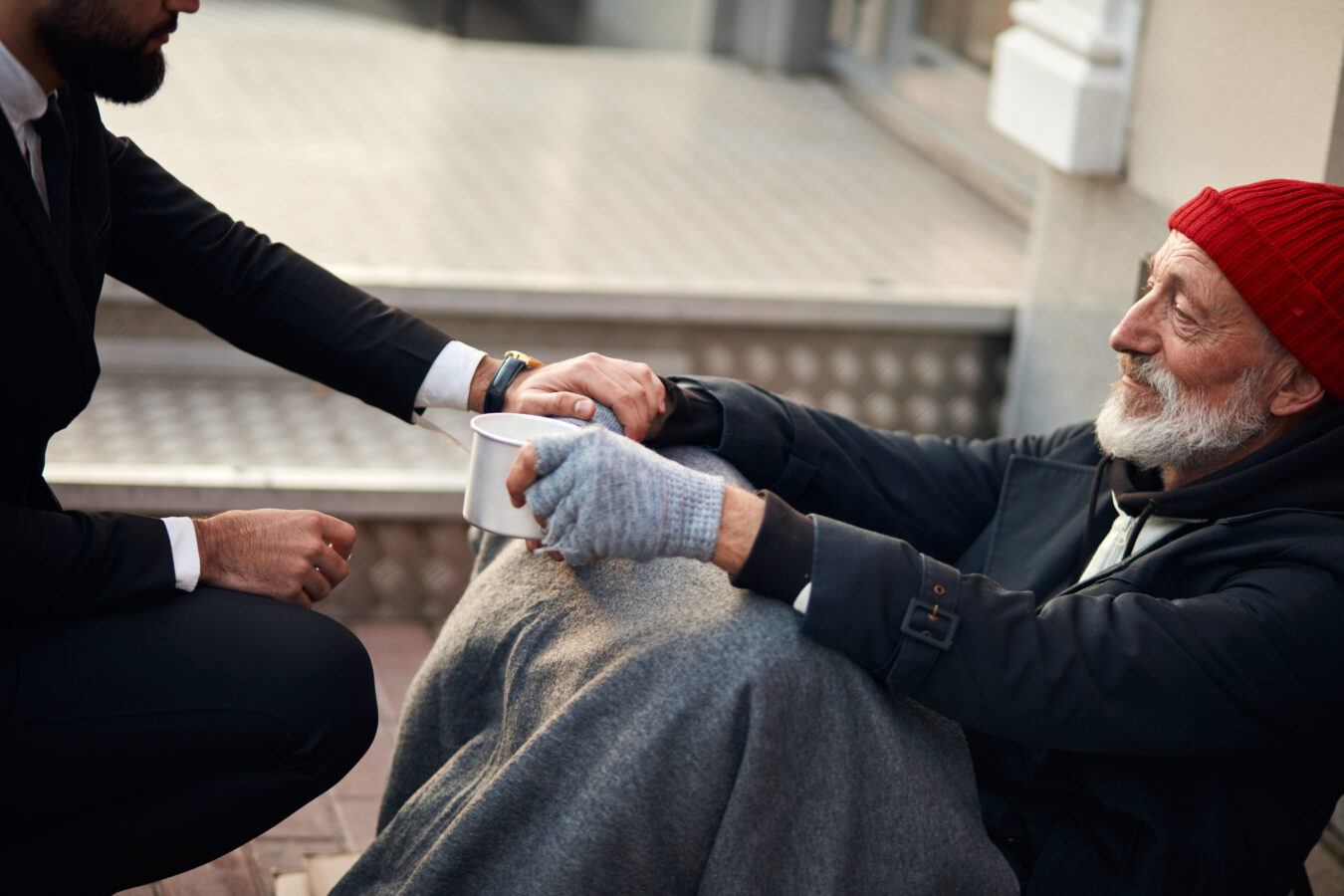
We were not poor exactly, but there was never extra. I remember being maybe eight and we’d picked up a rotisserie chicken and sides on the way home, which for us was a treat. On the walk to the car there was a man sitting against the wall of the grocery store. My dad stopped, handed him the entire bag, and said, “You need this more than we do tonight.”
I was furious. That was OUR dinner. I sulked the whole drive home while my dad made us peanut butter sandwiches and acted like nothing had happened.
I didn’t understand it for twenty years. I understood it the day I was a grown man in a parking lot and did the exact same thing without even thinking about it, and watched my own son’s face do the exact thing mine had done.
My dad died never knowing he’d installed something in me that deep. I tell that chicken story at least once a year. It’s the most valuable thing he ever owned and he gave it away in a parking lot.
2. My mother was kind to a waiter who messed up our entire order, and I finally get why.
It was a rare restaurant night for us. A nervous young waiter got everything wrong — wrong dishes, forgot drinks, spilled water across the table. I was a teenager and mortified, expecting my mom to complain like other parents would.
Instead she was warm with him the entire time. When he apologized for the fifth time, nearly in tears, she said, “First week?” He nodded. She said, “You’re doing fine. We’re in no rush.”
I asked her in the car why she didn’t say anything. She said, “Because I remember being new at everything, and I remember who was kind to me and who wasn’t.”
I manage a team of young people now. Every time one of them messes up badly and looks at me terrified, I hear my mother’s voice. “First week?” I had no idea she was teaching me how to lead. She thought she was just being decent to a kid carrying plates.
3. My father forgave the man who wrecked our car, and it took me 30 years to understand the gift.
A man ran a red light and totaled our only car when I was eleven. We didn’t have money for another one, and my dad had to take two buses to work for almost a year afterward. The other driver was uninsured and clearly broke.
At the scene, instead of screaming, my dad asked the man if he was okay. The guy was shaking. He had his kids in the back. My dad ended up calming HIM down. He never once badmouthed the man, even through that brutal year of bus rides.
I asked him as a teenager how he wasn’t angry. He said, “Being angry at him wouldn’t have given me a car. And he had his kids watching. What was I going to teach them?”
I’m a father now, and I’ve been cut off, wronged, cheated. Every time the rage rises I think of my dad standing on that road choosing not to become something ugly in front of two scared kids. He gave me a temperament. That outlasted any car.
4. My parents took in my friend when his home fell apart, and never mentioned the cost.
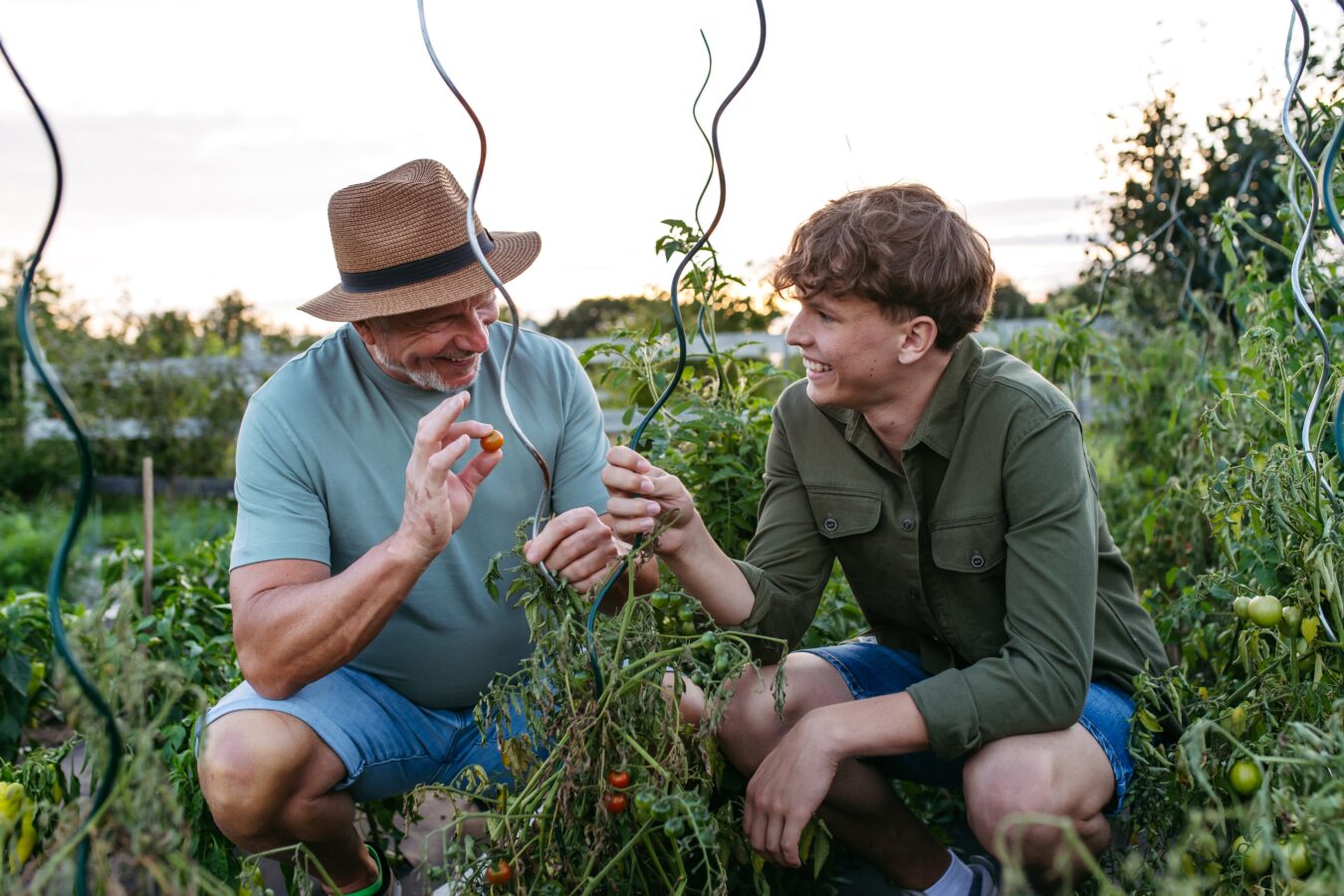
When I was sixteen, my best friend’s family imploded — I won’t go into it, but he had nowhere to go. My parents, who were stretched thin already, just made up the spare room and told him he lived with us now. No drama, no big speech. He stayed almost two years.
As a self-absorbed teenager I barely registered what that meant. More food, less money, another kid in a small house. My parents never once made him feel like a burden or made me feel like he was taking something from me.
That friend is a doctor now. He calls my parents Mom and Dad. At my wedding he gave a speech about them that left the whole room wrecked.
I asked my mom recently how they afforded it back then. She said, “We didn’t, really. But you don’t do math when a kid needs a bed.” I think about that sentence constantly. They were quietly teaching me what family actually means, and it had nothing to do with blood.
5. My mom wrote thank-you notes to people nobody thanks, and now I can’t stop doing it.
My mother wrote notes to everyone. The garbage collectors at Christmas. The woman at the DMV who was patient with her. The nurse who’d been gentle with my grandmother. She kept a drawer of cards and stamps and just did this constantly, my whole childhood.
I thought it was a quirky, slightly embarrassing habit. As a kid I’d roll my eyes when she’d ask the name of someone who helped us so she could write to them.
She passed three years ago. At her funeral, people I didn’t recognize kept coming up to me. A mechanic. A former mail carrier. A hospice aide. Every one of them had kept a note she’d written. One man pulled a worn card out of his wallet that she’d sent him in 1998.
She didn’t leave us much money. But she left a trail of people across an entire town who felt seen by her. I buy cards in bulk now. It’s the only inheritance I actually wanted.
6. My dad treated my “difficult” grandmother with endless patience, and I understand it now that he’s gone.
My grandmother — his mother-in-law — was not an easy woman. Critical, sharp-tongued, never satisfied. She lived with us her last six years and she could be genuinely cruel to my dad, who’d married into the family and never quite measured up in her eyes.
He was unfailingly gentle with her. Made her tea exactly how she liked it. Sat with her when she couldn’t sleep. Absorbed insults that would’ve made me walk out of the room.
I asked him once, as a resentful teenager, why he let her treat him that way. He said, “She’s frightened of getting old and she’s got nowhere to put it but on me. I can take it. That’s what taking it is for.”
I didn’t get it then. I get it now that I’m caring for him in his decline, and some days he’s sharp with me out of fear, and I hear myself making his tea exactly how he likes it. He taught me how to love people when they’re at their worst. I never thanked him.
7. My mother always rolled down the window for the man at the corner, and it rewired me.
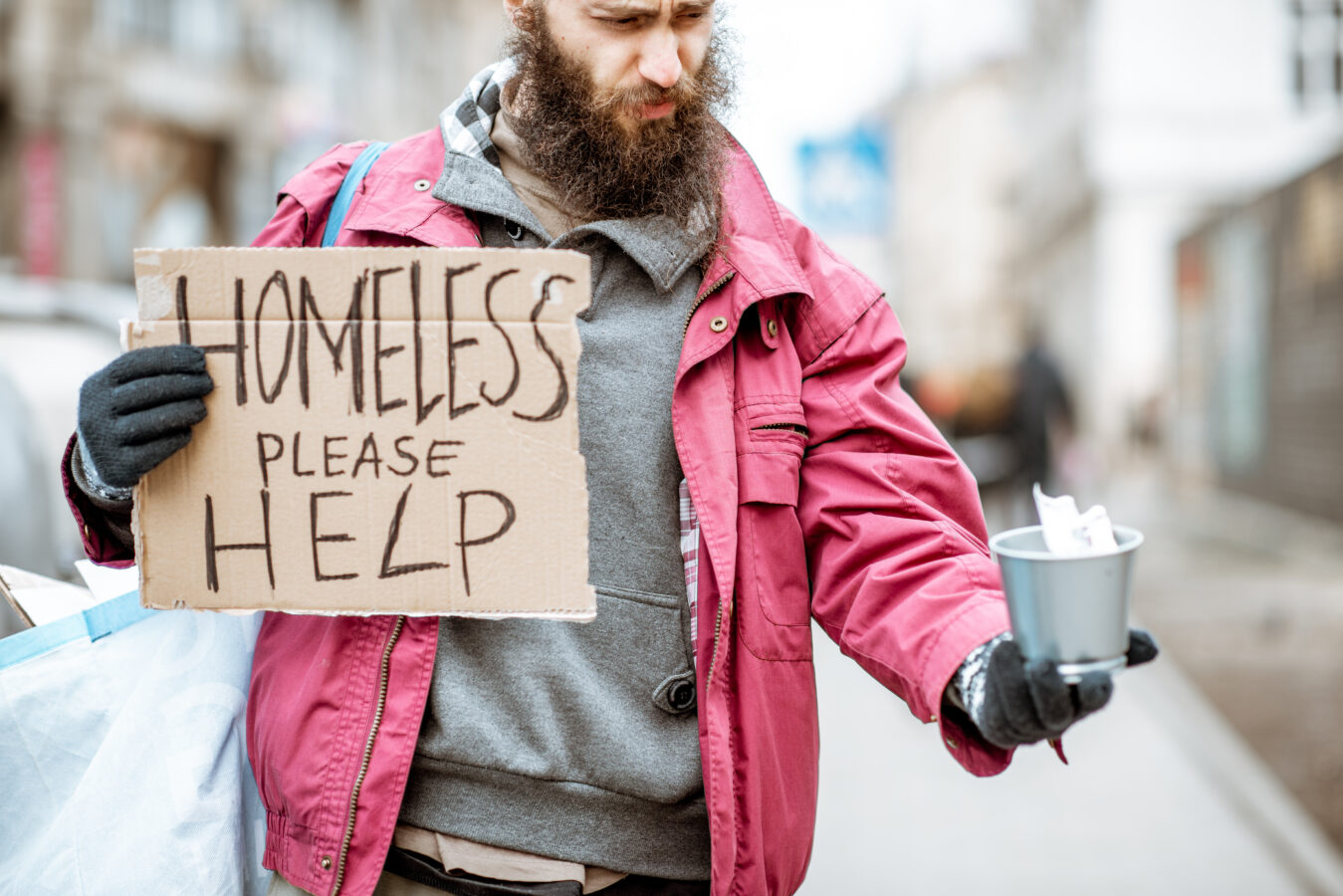
There was a man who stood at an intersection near our house for years. Most people stared straight ahead at the red light, pretending not to see him. My mom rolled the window down every single time. Sometimes money, sometimes just, “How are you today, Raymond?” She knew his name. She knew everyone’s name.
I’d slump down in the seat, embarrassed, telling her she didn’t have to do that. She’d say, “He’s somebody’s son. Somebody once held him as a baby. The least I can do is know his name.”
Raymond passed away when I was in college. My mom went to the small service. She was one of maybe four people there.
I’m 40 now and I cannot drive past a person on a corner without seeing them as somebody’s son or daughter. She didn’t lecture me into it. She just rolled the window down a thousand times until it became who I am too.
8. My parents apologized to me when they were wrong, and I didn’t realize how rare that was.
Growing up I assumed all parents did this. If my mom or dad lost their temper or got something wrong, they’d come back later and say, specifically, “I was wrong, and I’m sorry, and here’s what I should have done.” It happened my whole childhood.
It wasn’t until I was an adult listening to friends talk about their parents that I understood almost nobody got that. Friends in their thirties still waiting for an apology that was never coming. Friends who’d never once heard a parent admit fault.
I’d thought it was normal. It was actually the rarest thing in the world.
What they gave me was the knowledge that loving someone and being accountable to them are the same act. My own kids hear me apologize when I blow it, and they think it’s normal, and I hope they spend their whole lives never knowing how lucky that makes them. My parents handed me that without ever calling it anything.
9. My dad was kind to me on the worst day of my life instead of being right, and it saved us.
I made a catastrophic decision at nineteen. Dropped out, blew through money he’d saved, the whole disaster. I came home expecting to be destroyed, and frankly I deserved it. He had every right to say “I told you so.” He’d told me so repeatedly.
Instead he opened the door, saw my face, and just hugged me. He said, “We’ll figure it out. You’re home.” That was it. The lecture I’d braced for never came.
Years later I asked him why he didn’t let me have it that night. He said, “You already knew everything I could have said. You didn’t need a father to tell you that you’d failed. You needed a father who was glad you came home.”
I have a teenager now barreling toward their own mistakes. And I know, because he showed me, that there’s a moment where being kind matters infinitely more than being right. He gave me that the night I least deserved it.
10. My mother fed every kid in the neighborhood, and I only understood why at her wake.

Our house was the house. Whatever kid was around at dinnertime got fed, no questions. My mom always cooked too much on purpose. I sometimes resented it — these weren’t even always my friends, just neighborhood kids, and I had to share everything.
What I didn’t fully grasp as a child was that some of those kids weren’t getting fed anywhere else. My mom knew exactly which ones. She never said so. She just quietly made sure there was always an extra plate and never made any kid feel like a charity case.
At her wake, a man in his forties introduced himself. He’d been one of those neighborhood kids. He told me, crying, that my mother’s kitchen was the only place he ever felt safe as a child, and that he’d named his daughter after her.
I had no idea. She fed half a broken neighborhood out of a tiny kitchen and never once mentioned it. That was the gift. Not the food. The way she gave it.
11. My father defended a stranger being humiliated in public, and it became my backbone.
We were in line at a store when a customer started berating a cashier with a heavy accent, mocking the way she spoke, really laying into her. People stared at their feet. I was maybe twelve and I froze.
My dad stepped forward and said, calmly but loud enough, “She’s doing her job just fine. The problem here isn’t her English.” He stayed right there until the man left, then told the cashier she was doing great. He wasn’t a big or aggressive man. He was just unwilling to watch it happen.
In the car I asked if he’d been scared. He said, “A little. But if I look away, what good is everything I’ve told you about treating people right?”
That sentence built my spine. I’ve stepped into ugly situations as an adult that I’d have walked past if not for him. He didn’t give me money or connections. He gave me the example of a man who wouldn’t look away, and I’ve spent my life trying to be that.
12. My mom stayed kind to my father through a brutal divorce, and I understand the sacrifice now.
My parents’ divorce was hard, but my mother never weaponized me against my dad. Never badmouthed him, never made me a messenger, never made me choose. Other kids I knew became battlegrounds. I didn’t.
As a kid I almost wished she’d be angrier, because his leaving had hurt, and her grace confused me. It felt like she was letting him off easy.
I’m an adult now and I’ve watched friends go through divorces and I understand what it cost her. The restraint. The swallowed words. The nights she must have wanted to scream to me about him and instead said, “Your dad loves you, that part never changed.”
She protected my relationship with him at the expense of her own feelings, for years. That’s the most selfless thing I’ve ever witnessed and I didn’t even recognize it as a gift until I was old enough to know how rare it is. She handed me a dad I’d otherwise have lost.
None of these parents left behind fortunes. What they left was a way of moving through the world — rolling down the window, making the extra plate, choosing the hug over the lecture — that their kids only recognized as priceless once they were grown enough to understand the cost.
That’s the strange thing about kindness as an inheritance: you usually don’t notice you’ve received it until you catch yourself passing it on. And by then, more often than not, the person who gave it to you is gone, and all you can do is keep handing it forward.