
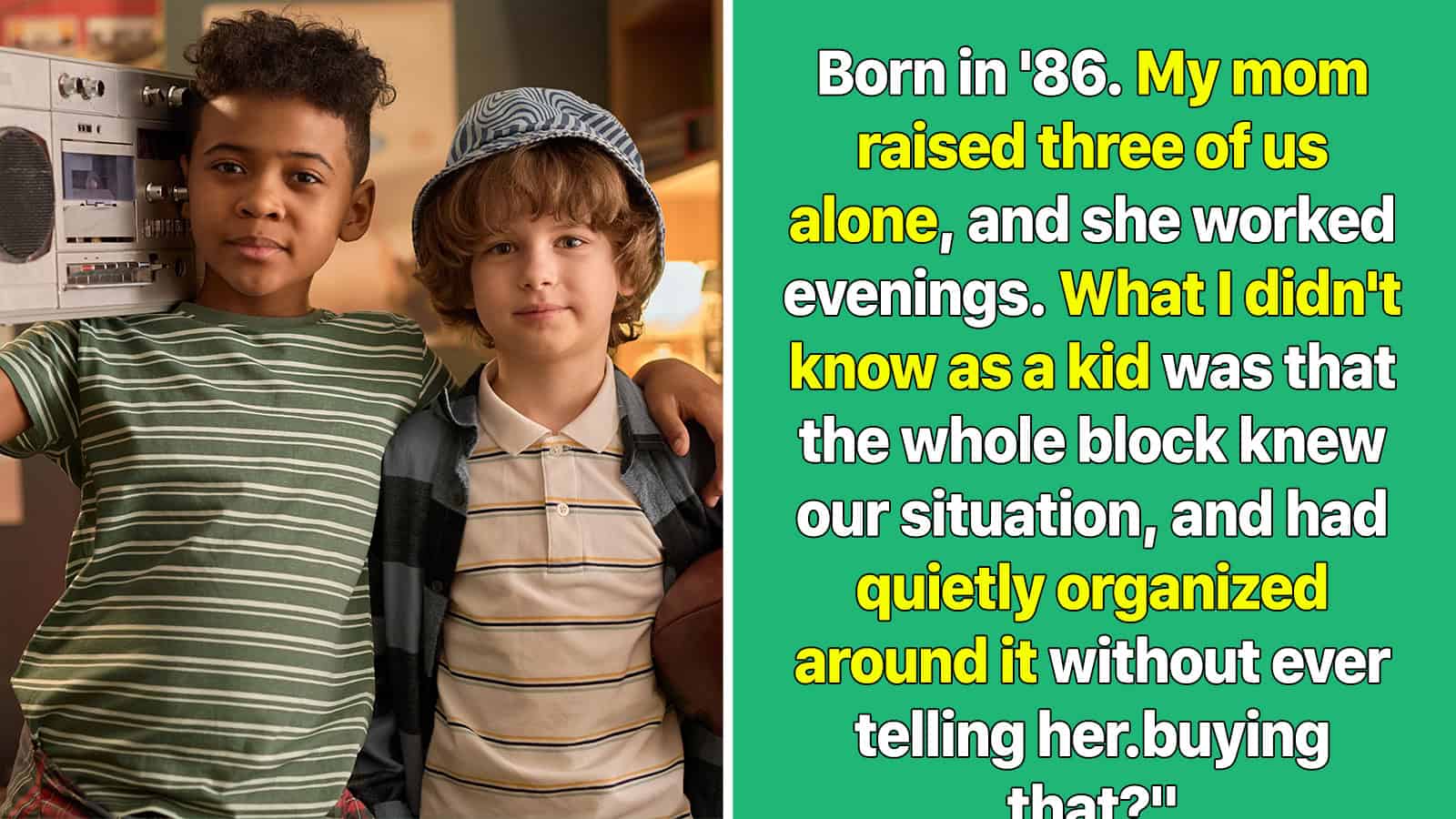
80s Kids Are Sharing The Acts Of Kindness They Didn’t Understand Until Adulthood

People born in the 80s occupy a strange middle ground: old enough to remember busy signals and blowing into video game cartridges, young enough to have adapted to everything that came after.
But ask anyone from that generation what they actually carry with them, and it’s rarely the technology — it’s the way people looked out for each other. They grew up in an era of unlocked doors, casseroles left on porches, and neighbors who knew your name whether you liked it or not. Kindness wasn’t posted anywhere, because there was nowhere to post it. It just happened, quietly, and the only record of it is memory.
These stories capture exactly that spirit — some from those analog childhood years, some from the adults those kids grew up to be. They’ve been lightly edited for clarity, and they range from the kind that put a lump in your throat to the kind that make you laugh at how wonderfully weird neighborhood life used to be.
If you were born in the 80s and have a story of your own — a neighbor, a stranger, a whole street that showed up when it mattered — send it in, Pleated-Jeans readers. This series runs on you.
1. The casserole telephone tree
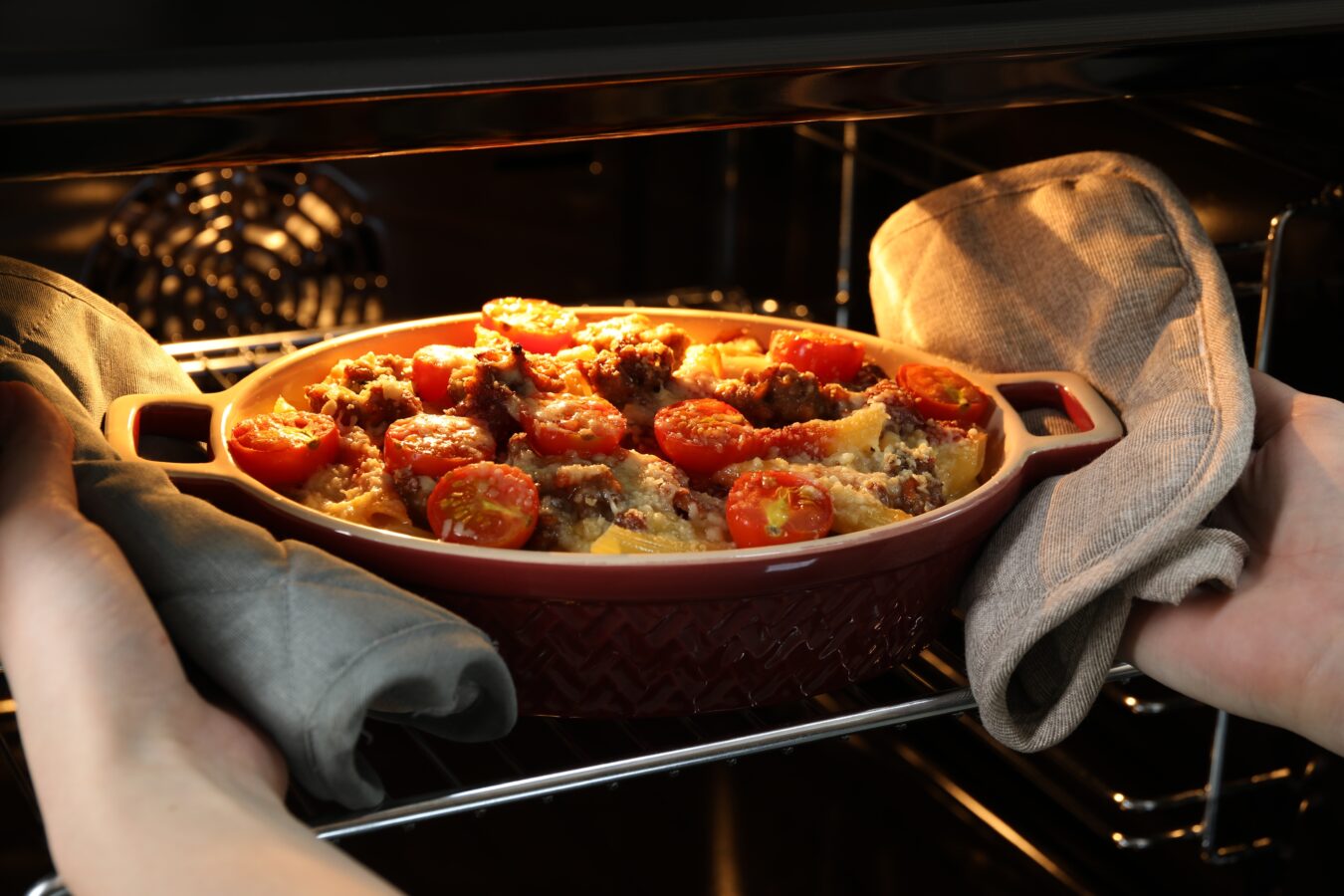
When my mom went into the hospital in 1991, I was nine and my dad could cook exactly one thing: scrambled eggs, badly. Word got around the neighborhood the way it did back then — one phone call at a time, down the telephone tree the moms maintained for snow days.
For six weeks, a casserole appeared on our porch every single evening at 5:30, like clockwork, from a rotating cast of neighbors. Nobody ever knocked. Nobody left a note. My dad would just open the door and there it would be, still warm.
Mom came home, recovered fully, and spent the next fifteen years repaying that debt one casserole at a time to every family on the street that hit a rough patch. I genuinely believe there are neighborhoods where a single casserole has been circulating in various forms since the Reagan administration.
2. The Blockbuster employee who bent the rules
In 1998 my parents were going through a divorce, and my Friday-night ritual with my dad was renting a movie — it was basically the only stable thing in my week.
One Friday our account got frozen over late fees my mom had racked up on her card, and I watched my dad quietly realize he couldn’t cover them. The teenage clerk looked at the screen, looked at me holding my movie, and said, “Huh, computer must be glitching. It says you have a free rental credit.” He rang it up and slid the tape across the counter.
He did the “glitch” thing three more Fridays until my dad got back on his feet and paid every cent of those fees. I’m 40 now, and I have never once returned anything late to anyone, out of respect.
3. Every dad on the street, one transmission
Born in ’83. When our neighbor’s husband passed away suddenly, she was left with two kids and a station wagon with a dying transmission she couldn’t afford to fix. One Saturday morning, I woke up to find literally every dad on our street standing around her open hood, arguing about the best way to do it, the way dads did.
None of them was a mechanic. One of them owned a Chilton manual. That was apparently enough.
It took them three weekends, one part run that somehow required four separate trips, and a quantity of beer I was too young to accurately estimate. But that station wagon ran for eight more years, and she never got a bill.
She got a street full of guys who waved a little more carefully at her house from then on.
4. The lunch lady’s “sampler tray”
Our school lunch lady, Miss Dot, ran the cafeteria like a diner and knew every kid by name. If your tray looked light because your account was empty, she’d suddenly need “taste testers” for something.
“You — try this mac and cheese, tell me if it needs salt. Take the whole scoop, I need a real opinion.”
It took me until adulthood to realize the taste testers were always the same handful of kids, and that no professional cafeteria operation needs its mac and cheese evaluated daily by the same fourth graders for an entire school year.
Miss Dot retired in 2009 and something like 300 former students showed up. She asked us, one by one, if the mac and cheese had ever needed salt.
5. The mixtape that made the rounds
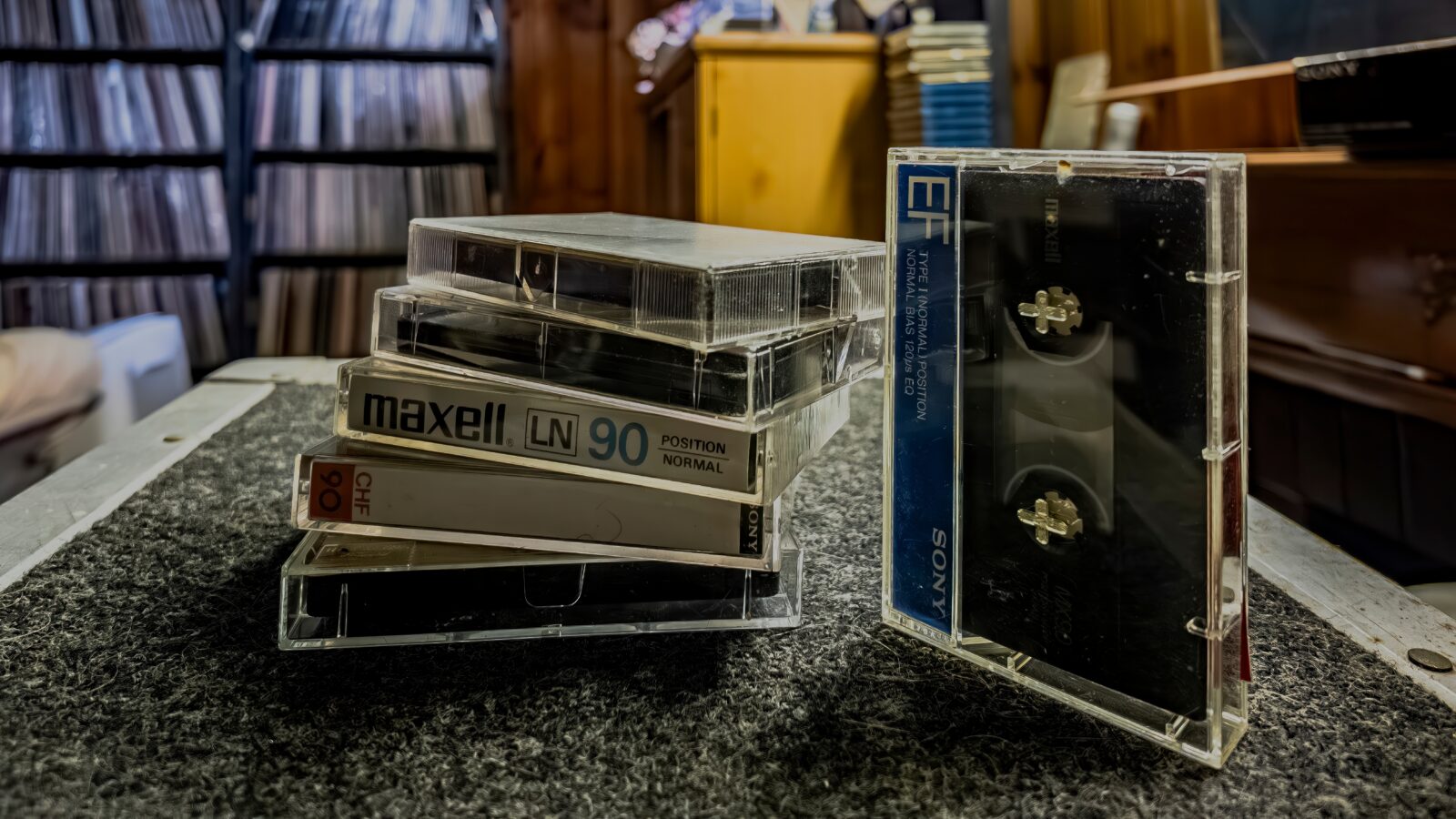
In seventh grade, a kid in our class lost his mom. When he came back to school, nobody knew what to say — we were twelve, and twelve-year-olds are not equipped. So a girl in our grade made him a mixtape. Just songs she thought would help, with a note that said, “You don’t have to talk to anyone. Just listen to this.”
He told me years later he wore that tape out. Literally played it until it snapped. And here’s the part that gets me: when another kid in our grade lost his dad two years later, the first kid made HIM a tape. Same note, word for word.
As far as I know, the tradition survived at least four losses across our class before graduation. Somewhere out there is a chain of grief mixtapes started by a twelve-year-old girl who just didn’t know what to say.
6. The paper route pension plan
I had a paper route from ’92 to ’96, and one customer, Mr. Hale, tipped exactly one dollar a week with the solemnity of a man handing over the crown jewels. He’d also quiz me: “Saving any of it?” I always lied and said yes.
When I gave up the route before high school, he handed me an envelope. Inside was $208 — every dollar he’d ever tipped me, matched. He’d been saving a second dollar every week for four years. “Now you’ve actually saved some of it,” he said. “Don’t lie to old men, kid. We always know.”
7. Snow day economics
Every kid on our block shoveled driveways for cash after snowstorms — standard 80s childhood economy. But there was a rule, handed down from the older kids like sacred law: Mrs. Kowalski’s driveway and old Mr. Benning’s driveway got done first, and they got done free.
No one remembered who started the rule. No one questioned it.
If a new kid moved in and tried to charge them, an older kid would materialize out of the snow like a ghost to explain how things worked.
I later found out the rule was at least fifteen years old, passed down through three generations of neighborhood kids, outliving every kid who’d ever enforced it.
Mrs. Kowalski, for her part, paid the free labor in hot chocolate that was 80% marshmallow, which honestly was the better deal.
8. The neighborhood watch that watched for the right things
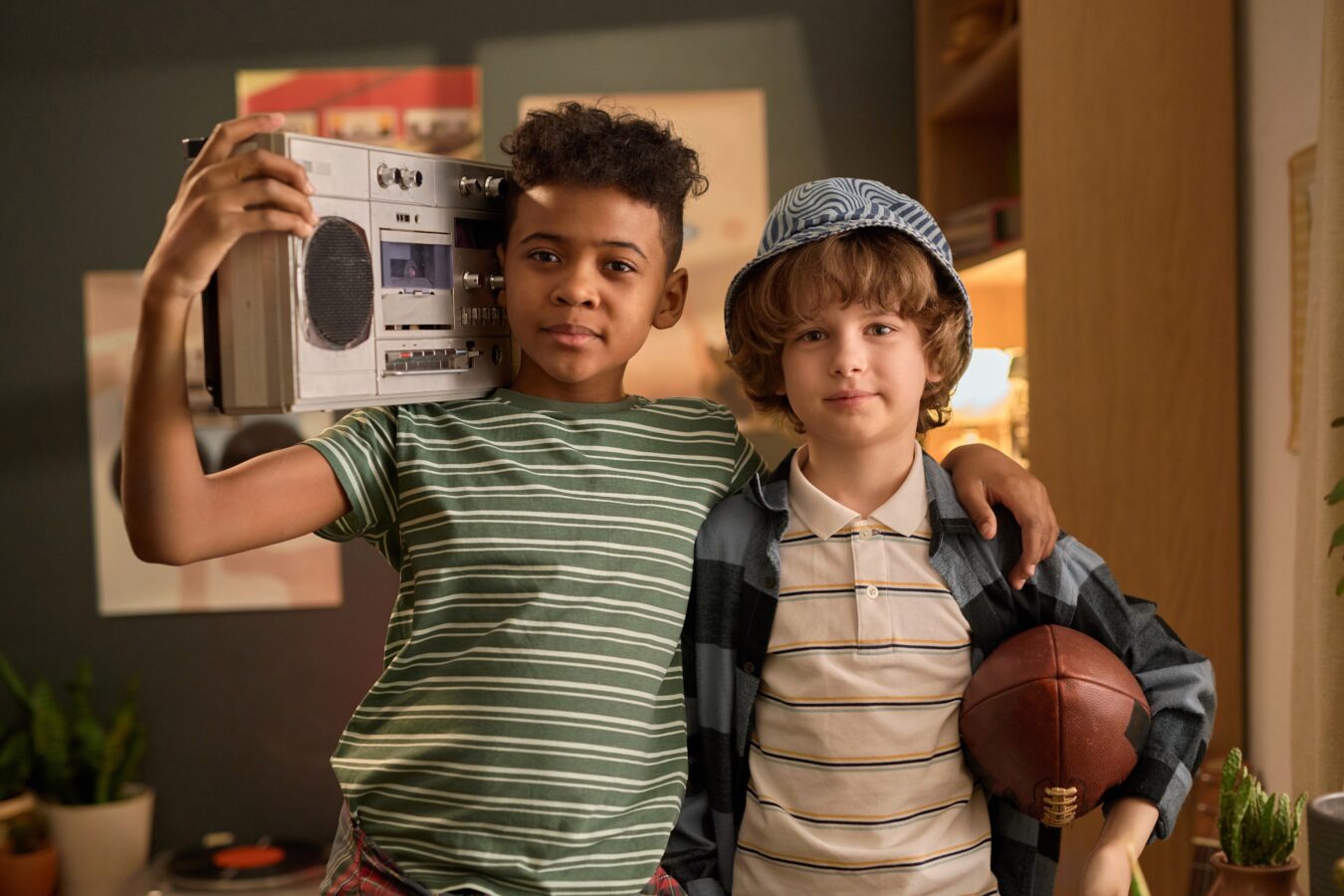
Born in ’86. My mom raised three of us alone, and she worked evenings. What I didn’t know as a kid was that the whole block knew our situation, and had quietly organized around it without ever telling her.
The woman across the street “just happened” to garden at the exact time we walked home from school, every day, for years. The retired couple next door “just happened” to eat dinner on their porch, facing our house, until our lights went out. If a storm rolled in, someone “just happened” to call and ask if we needed anything.
My mom found out the extent of it at the across-the-street neighbor’s funeral in 2019, when the woman’s daughter told her, “Watching your kids get home safe was Mom’s favorite part of the day.” My mother, who had white-knuckled fifteen years believing she’d done it all alone, cried through the entire service. She hadn’t been alone for a single afternoon of it.
9. The garage sale conspiracy
The summer of ’95, my family was broke and my parents held a garage sale to cover the electric bill, though at ten years old I just thought we were “decluttering.” Decades later, at my dad’s retirement party, our old neighbor confessed: the whole street knew why we were having that sale.
So they’d coordinated. Neighbors showed up in shifts all day, cheerfully overpaying for our junk. Somebody paid twenty dollars for a broken toaster. A man bought back a ladder that was originally his, which he’d given us for free years earlier.
By the end of the day, my parents had covered the electric bill, and half of our “sold” belongings quietly reappeared on our porch over the following month, one item at a time, like the world’s slowest, kindest heist in reverse.
10. Still answering the door
Here’s the thing about us 80s kids: we grew up watching this stuff, and it stuck. Last year, a young couple moved in next door to me — mid-twenties, first house, completely overwhelmed. Their moving truck showed up during a rainstorm.
Before I fully understood what my body was doing, I was outside in the rain carrying a couch, and so were four other neighbors my age, all of us summoned by some instinct installed in us circa 1989. Afterward my wife brought them a casserole. Neither of us discussed it beforehand. It was simply what happens.
The couple was stunned. They kept trying to pay us, thank us, Venmo us. I told them what the old guy on my childhood street told my dad: “You don’t owe me. You owe the next truck.” I watched them help unload a moving van across the street last month. The system still works.
Maybe it’s not really about being born in the 80s. Maybe it’s about being raised in a time when helping was assumed instead of announced — when kindness traveled by telephone tree and casserole dish instead of comment section.
The people who grew up watching their parents shovel a widow’s driveway for free absorbed something that never quite left them, and the best part is that it’s transferable.
Every one of these stories contains someone learning the pattern by watching it, then running it themselves years later. The unlocked doors are mostly gone, but the instinct isn’t.
Somewhere right now, a moving truck is pulling up in the rain, and somebody’s about to walk outside without being asked.